Complete Guide to Micro-Perforated Bread Bags
The Crusty Bread Problem - And How Perforations Solve It
Here's the problem every artisan baker faces: you spend hours developing perfect sourdough with a crackling-crisp crust. You bag it fresh from the oven (after cooling). By the time customers get it home 2-4 hours later, the crust is soft and chewy instead of crispy. What happened?
The science: Bread continues releasing moisture even after baking. When you bag bread in a sealed environment (regular poly or CPP bags), that moisture has nowhere to go. It condenses on the inside of the bag and is immediately reabsorbed by the crust, softening it completely. Within 2-4 hours, your crusty exterior becomes soft.
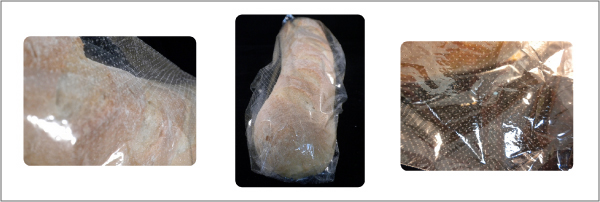
The solution: Micro-perforations create thousands of tiny holes that allow moisture vapor to escape while still protecting the bread from drying out completely. The bread can "breathe" just enough to maintain crust crispness without becoming stale. It's the balance artisan bread needs.
Real-World Results:
Regular sealed bag: Crusty sourdough bagged warm. After 2 hours, crust is noticeably softer. After 4-6 hours, crust is completely soft and chewy. Customers complain bread isn't fresh.
Micro-perforated bag: Same sourdough bagged warm. After 2 hours, crust still has satisfying crackle. After 24 hours, crust maintains most of its crispness. After 48 hours, crust is slightly softer but still has texture. Customers rave about freshness.
Understanding Perforation Density: 30 vs. 160 Holes Per Square Inch
We stock micro-perforated bags in two perforation densities. The difference matters for different bread types and moisture levels.
30 Holes Per Square Inch (Lighter Perforation):
Fewer, more widely spaced perforations. Allows moderate moisture release while maintaining more bag integrity. Good for breads with moderate crust or when you want a balance between crust preservation and moisture retention.
Best for: Moderately crusty artisan loaves, breads with thinner crusts, European-style breads with less extreme crust development, loaves sold same-day or next-day where extreme crust preservation isn't critical.
Examples: Ciabatta, some baguette styles, rustic country loaves with moderate crust, pain de campagne.
Advantage: Bags are slightly stronger due to fewer perforations. Good compromise when you need some breathability but don't want maximum perforation.
160 Holes Per Square Inch (Maximum Perforation):
More numerous, closely spaced perforations. Allows maximum moisture escape for bread with extremely crusty exteriors. This is the professional-grade option for serious artisan bread.
Best for: Extremely crusty sourdough, baguettes with very crispy crust, bread with thick, hard crust development, loaves where crust crispness is the signature quality, bread that may sit 24-48 hours before consumption.
Examples: San Francisco-style sourdough, traditional French baguettes, pain au levain with very crusty exterior, artisan loaves where customers expect serious crunch.
Advantage: Maximum crust preservation. If your bread's reputation depends on crusty exterior, this is the option.
Quick Decision Guide:
Choose 30 holes/psi if: Your bread has moderate crust, sold same-day or next-day, you want balance between breathability and bag strength, or you're new to perforated bags and want to test the concept.
Choose 160 holes/psi if: Your bread has extremely crusty exterior, crust crispness is critical to product quality, customers may consume bread 1-2 days after purchase, or you're known for serious artisan sourdough with crackling crust.
What Breads Need Micro-Perforated Bags?
Not all bread needs micro-perforations. This is a specialty solution for specific bread types where crust texture is critical to quality.
Definitely Use Micro-Perforated Bags For:
Artisan sourdough: Thick, crusty exterior developed through long fermentation and high-heat baking. The signature crackle is what customers pay premium prices for. Losing the crust texture ruins the product.
Baguettes: Traditional French baguettes with very thin, crispy crust. The entire appeal is the contrast between crispy exterior and soft interior. Regular bags destroy this within hours.
Ciabatta: Italian bread with crispy crust and large, open crumb. The crust texture is essential to authentic ciabatta.
Pain au levain: Rustic French sourdough with thick crust. Customers expect and pay for the crusty exterior.
Rustic country loaves: European-style breads with hard, flour-dusted crusts. The rustic crust is part of the artisan appeal.
Any bread where customers complain about soft crust: If you're getting feedback that bread isn't staying crispy, micro-perforated bags solve this immediately.
Use Regular Bags (Poly or CPP) For:
Soft sandwich bread: No crusty exterior to preserve. Regular poly bags are perfect and more economical.
Rolls, bagels, buns: Soft or lightly crispy exterior that doesn't need special preservation.
Sweet breads: Banana bread, pumpkin bread, zucchini bread, cinnamon rolls. These are meant to be moist and soft.
Soft artisan loaves: If your artisan bread has relatively soft crust by design, regular bags work fine.
Material: Crystal-Clear BOPP
Our micro-perforated bags are made from .8 mil BOPP (biaxially oriented polypropylene). This material provides crystal-clear visibility, good moisture barrier properties, and excellent strength despite the perforations.
Why BOPP for perforated bags: The material needs to be strong enough that perforations don't compromise bag integrity. BOPP's strength-to-weight ratio makes it ideal - you get maximum breathability from perforations without bags tearing easily. Crystal clarity shows off your artisan bread beautifully.
FDA-approved: Safe for direct food contact with all bread products.
Wicketed for Fast Bagging
All our micro-perforated bags are wicketed - mounted in stacks on heavy wire wickets for fast one-handed bagging. When you're bagging fresh-from-the-oven artisan bread during busy production, the wicket system speeds workflow significantly.
Set up wickets at cooling racks. Bread comes out of oven, cools to safe temperature (still slightly warm is fine with perforated bags), gets bagged directly from wicket. The moisture from warm bread escapes through perforations instead of softening the crust.
Choosing the Right Size
Micro-perforated bags are sized as Width x Length. Choose bags 1-2 inches larger than your bread to allow room for closure.
Sizing Guide for Common Artisan Breads:
6 x 28: Long narrow baguettes, thin French bread, demi-baguettes
8 x 21: Medium baguettes, medium batards, torpedo loaves
9 x 14: Small boules, round artisan loaves (5-6" diameter), small sourdough
10 x 16: Standard boules and round loaves (6-7" diameter), medium sourdough, pain au levain
11 x 20: Large artisan loaves, wide batards, oval specialty breads, large sourdough
13 x 18: Extra-large specialty loaves, oversized artisan bread, display loaves
Bagging Timing: When to Bag Crusty Bread
With micro-perforated bags, you have more flexibility: Regular sealed bags require bread to be completely cool before bagging (otherwise trapped moisture softens crust immediately). Micro-perforated bags allow you to bag bread while still slightly warm because moisture can escape.
Best practice: Let bread cool on racks for 30-60 minutes until it's warm but not hot. Bag it while still slightly warm. The escaping moisture from cooling bread doesn't soften the crust because perforations vent it away.
Advantage: Faster production workflow. You don't need to wait for bread to cool completely before bagging, which matters when you're producing 50-200 loaves for weekend sales.
Still wait if bread is hot: Don't bag bread straight from the oven. Let it cool enough that condensation won't form. Warm is fine; hot is not.
Closure Methods
Twist ties: Most common for artisan bread. Simple, fast, secure. Colored twist ties can match your branding.
Fold and branded sticker: Fold top over once or twice and secure with custom sticker. Provides space for ingredients, best-by date, branding. Popular for farmers markets and retail.
Baker's twine or ribbon: For gift breads or premium presentation, tie bag with twine or ribbon. The crystal-clear bag shows off the bread while closure adds artisan touch.
Heat sealing: Less common with perforated bags since breathability is the point, but some wholesale operations heat-seal the top while perforations still allow side venting.
Cost vs. Value: When Premium Bags Make Sense
Micro-perforated bags cost more than standard poly or CPP bags. The specialized perforation process and BOPP material add to manufacturing costs. Here's when the premium is worth it:
Worth it when: Your bread is priced at $6-15+ per loaf and crust quality is what justifies that price. Customer complaints about soggy crust are damaging your reputation. You're known for artisan sourdough and customers expect professional-quality packaging. The crust texture is your signature and losing it ruins the product.
Not worth it when: You're making soft sandwich bread or rolls where crust isn't a feature. Volume is very high and customers consume bread same-day. You're competing primarily on price rather than artisan quality.
Real-world calculation: If micro-perforated bags cost $0.06 each vs. $0.04 for poly, that's $0.02 per loaf. On a $9 sourdough, that's 0.2% of retail price to ensure customers get bread with crust still crispy. Most artisan bakers consider this essential rather than optional.
How Small Bakeries Use Micro-Perforated Bags
Artisan bakery signature loaves: All sourdough and crusty artisan breads get micro-perforated bags. Soft sandwich bread and rolls get regular poly bags. The differentiation reinforces quality positioning.
Farmers market sourdough vendors: Perforated bags are essential because bread may sit 4-8 hours at market before customers buy it. The bags preserve crust quality throughout the entire market day.
Wholesale to restaurants and cafes: Bakeries supplying restaurants with crusty bread for dinner service use perforated bags so bread delivered in the morning still has crispy crust for evening service.
Online bread sales: Home bakers shipping artisan bread use perforated bags so loaves arrive with crust still crispy despite 1-2 days in transit.
Shelf Life and Storage
Bread shelf life in perforated bags: Crusty bread maintains crust crispness for 24-48 hours at room temperature. The bread will eventually stale (perforations allow some moisture loss), but the tradeoff is maintaining the crust texture customers pay for.
For longer storage: Customers can freeze bread in the perforated bag, then refresh in a hot oven to restore crust crispness. The perforations don't affect freezing.
Bag storage: Store bags in clean, dry location. Keep wicketed bags upright. Bags have indefinite shelf life when stored properly.
Comparison: All Three Bakery Bag Types
Poly Bags (LDPE)
Best for: Soft breads, rolls, bagels, everyday sandwich bread
Clarity: Good
Crust preservation: None (traps moisture, softens crust)
Cost: Most economical
Cast Polypropylene Bags (CPP)
Best for: Premium soft artisan breads, retail display, gift items
Clarity: Crystal-clear, glossy
Crust preservation: None (traps moisture, softens crust)
Cost: 15-25% premium over poly
Micro-Perforated Bags (BOPP) - You're Here
Best for: Crusty artisan breads (sourdough, baguettes, ciabatta)
Clarity: Crystal-clear
Crust preservation: Excellent (moisture escapes, crust stays crispy)
Cost: Highest (specialty application)
Browse micro-perforated bag sizes and perforation densities above. When your artisan bread's reputation depends on delivering crackling-crisp crust to customers, these specialty bags are essential. Choose 30 holes/psi for moderate crust or 160 holes/psi for maximum crust preservation.